
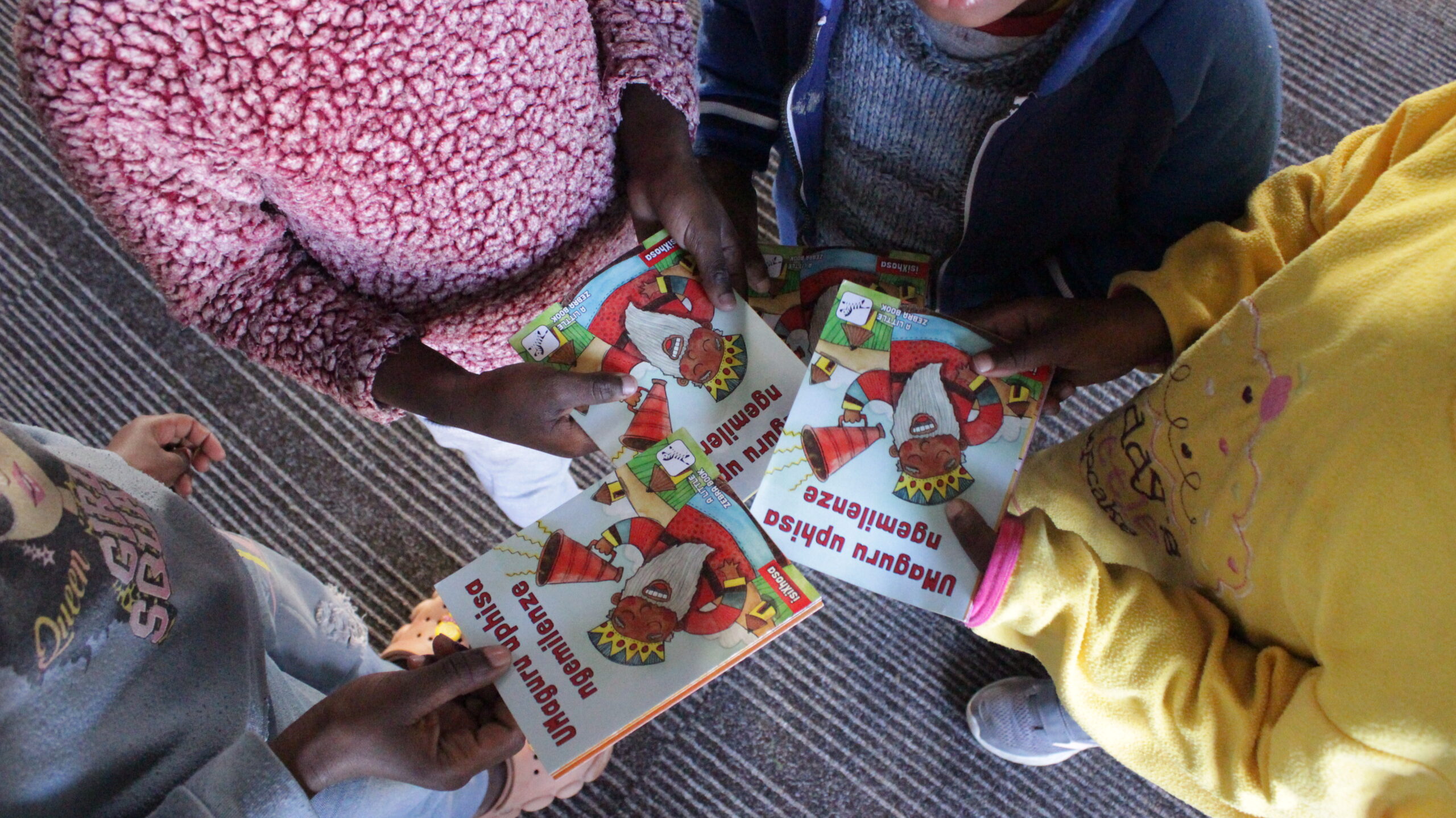
In South Africa, language has been a powerful tool of exclusion in classrooms, shaping who gets access to knowledge and opportunity. As we reflect on our past and look toward Heritage Day, it’s worth asking: How far have we come in making education truly accessible in all our languages?
The historic use of language policies as a means of exclusion in education
In South Africa, language has always carried power — not just to communicate, but to include or exclude. For much of our history, education policies deliberately used language to marginalise Black South Africans. English and Afrikaans were promoted as the only legitimate languages of learning and teaching, while indigenous African languages were sidelined and dismissed.
This came to a head in 1976, when the apartheid government attempted to enforce Afrikaans as a compulsory medium of instruction in secondary schools. The result was the Soweto Uprising, where thousands of Black learners rose up in protest. Their resistance highlighted how language policies were being used as a weapon — denying millions of children the chance to learn in languages they understood best.
A new era of rights and recognition
With the dawn of democracy, South Africa sought to undo these injustices. Our Constitution now recognises 12 official languages and guarantees everyone the right to receive education in the language of their choice, where it is reasonably practicable. Whilst the South African Schools Act empowers School Governing Bodies (SGB) to set language policies, it imposes a duty of the SGB to ensure these align with constitutional values of equality and the best interests of the child.
In practice, however, the implementation of language rights in schools has been uneven. At times, language policies have been applied in ways that unintentionally limit access to certain schools, with the effect of excluding learners from the communities in which those schools are located. In these instances, language has functioned less as a tool for learning and more as a gatekeeping mechanism, reinforcing social and educational divides.
At the same time, there has also been strong demand from parents themselves for English-medium education. For many families, English is seen as a gateway to social mobility, higher education, and employment opportunities, both within South Africa and internationally. This has reinforced the dominance of English in classrooms, often at the expense of home languages, despite growing evidence that mother tongue instruction in the early years provides a stronger foundation for learning.
Why mother tongue matters
The evidence for the benefits of mother tongue education is overwhelming. Both local and international research shows that children learn better when taught in the language they speak at home. It builds confidence, deepens understanding, and supports the development of future language learning. Yet too many children in South Africa still face the challenge of starting school in a language they barely know, which contributes to poor literacy levels and high dropout rates.
Shifts in policy: a step forward
The Department of Basic Education’s introduction of the Mother Tongue-Based Bilingual Education (MTBBE) policy is an important step forward. This policy allows children to continue learning in their home language throughout their schooling, while gradually introducing another language, such as English, to support bilingualism. If implemented effectively, this could mark a real turning point — where children are no longer forced to choose between success in school and the language of their family and community.
Celebrating our language heritage
As we mark Heritage Day on 24 September, it is worth reflecting on the power of language in shaping who we are. Language has been used to divide and exclude, but it can also unite and empower. South Africa’s 12 official languages are not just a legal recognition; they are a living heritage that connects us to our cultures, histories, and identities.
To truly honour this heritage, we must create schools where every child can learn in a language they understand, without being made to feel that their mother tongue is less valuable than English or Afrikaans. Celebrating our languages is not just about pride — it is about justice, dignity, and giving every learner the best chance to succeed.
On this Heritage Day, may we celebrate our rich language diversity by building classrooms where every child feels included, valued, and able to learn in the language they understand best.